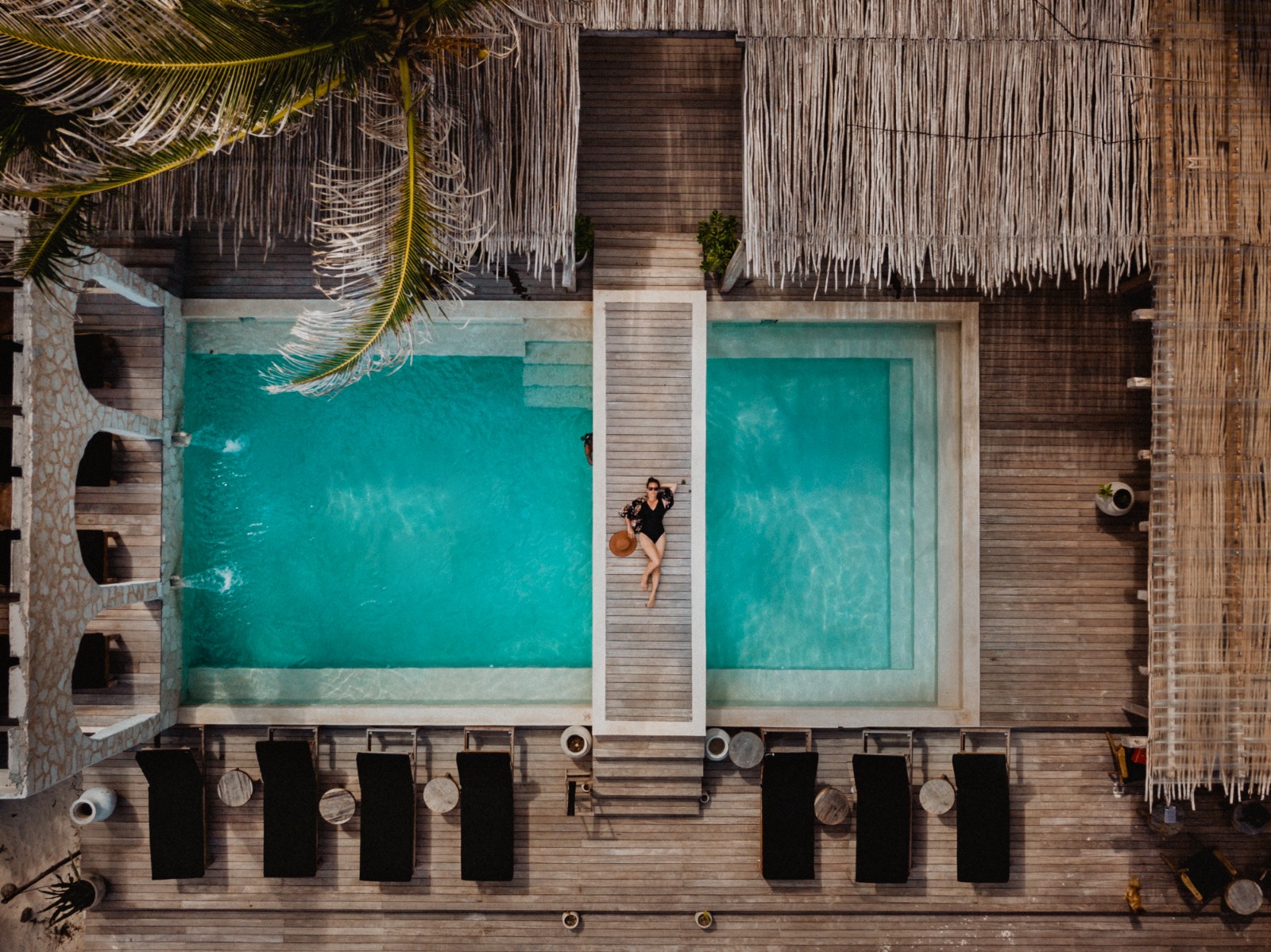
Ask someone who's been to Tulum twice what they'd do differently the second time, and a disproportionate number of them say the same thing: stay closer to the beach. It's one of those lessons that costs something to learn — an extra 20 minutes of transit each way, mornings that start with logistics instead of ocean, a subtle sense of being slightly off from where everything is happening.
Location has always mattered in travel. But it matters more now — and here's why.
The Friction Problem
Modern travelers are, broadly speaking, less tolerant of friction than previous generations. This isn't a criticism — it reflects a genuine shift in what people are optimising for when they travel. They're not going somewhere to demonstrate stamina. They're going somewhere to actually experience it.
When your accommodation requires transport to reach the beach, that transport becomes a recurring tax on your trip. Every time you want to swim, you have to plan for it. Every morning that starts with "how are we getting to the water?" is a morning that's already started slightly wrong. Over four nights, this adds up into something significant.
The solution isn't more planning. It's better location.
"The difference between staying on the beach and staying near the beach sounds small until you're on the trip. Then it's everything."
What "Beachfront" Actually Means in Tulum
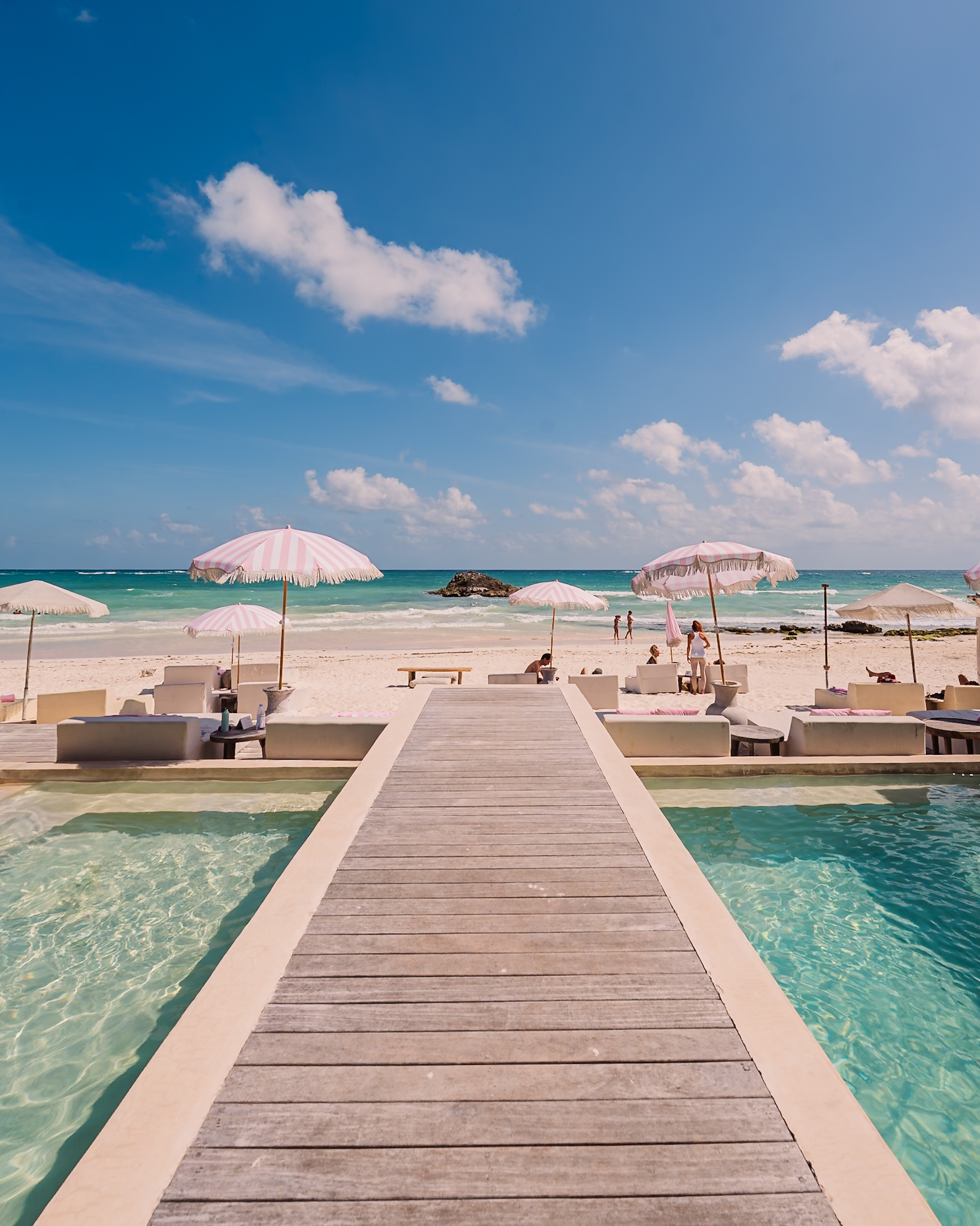
In Tulum, the distinction matters particularly sharply. The beach zone — the stretch of coast where the Caribbean meets the jungle — is the reason most people come. It's not just a beach; it's an atmosphere. The properties on it sit directly between jungle and sea. When you stay on the beach zone, the environment is ambient. You feel it without going anywhere.
Properties in Tulum town are typically 3 to 5 kilometres from the beach zone. That's a taxi or a bike ride, every time. On a short trip, that adds up to a meaningful portion of your time and a persistent logistical overhead that competes with the act of relaxing.
The Walkability Effect
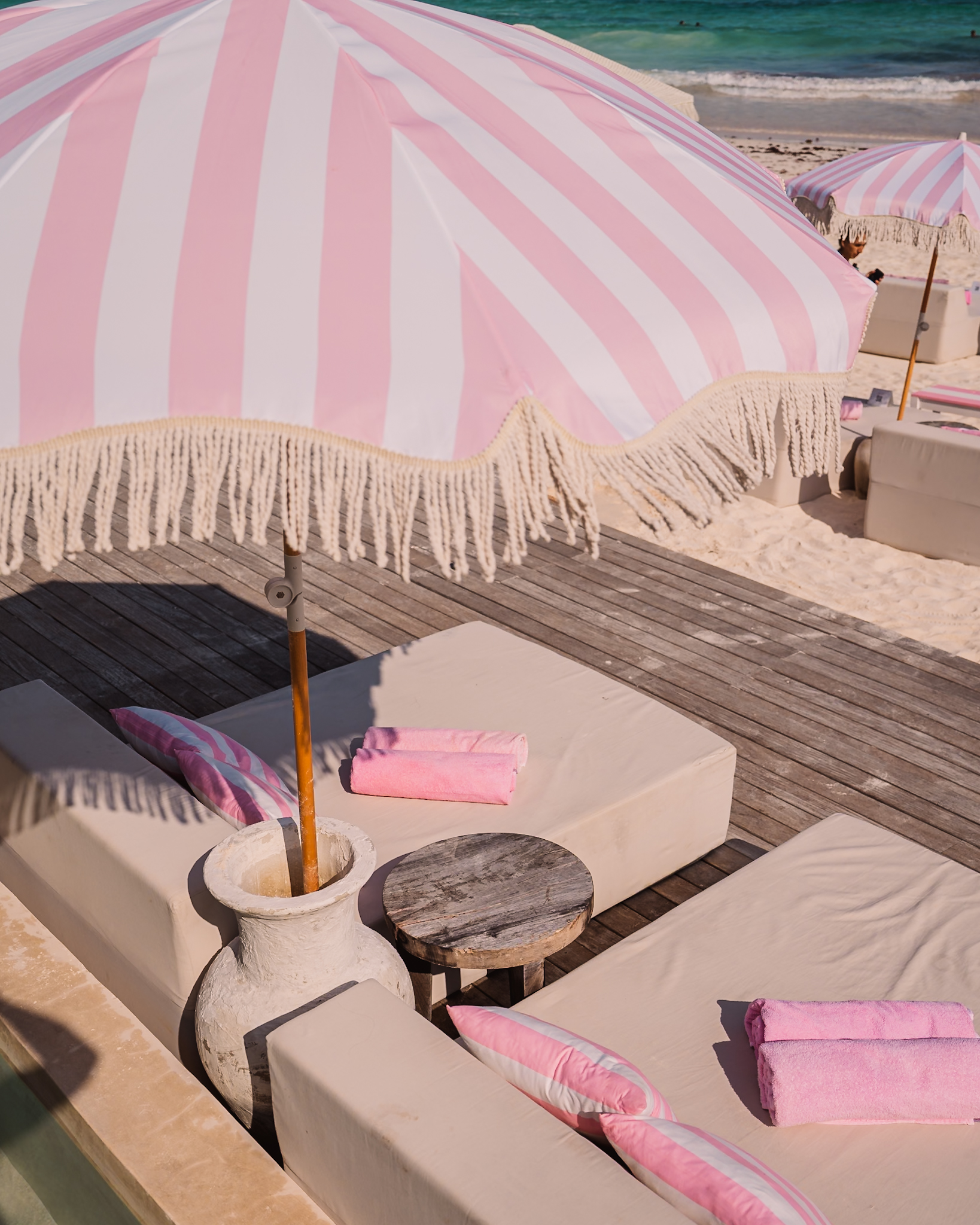
When a destination is walkable from your hotel, something shifts in how you experience it. You're less in transit and more in the place. You stop at things you'd have driven past. You have lunch somewhere you notice on the way back from the beach. You discover the smaller, less-visited version of the destination that only reveals itself when you're moving through it slowly.
In Tulum, staying on the beach zone makes the whole beach zone walkable — or accessible by the bike that's become the de facto transport of the area. The cenotes require a short trip by car, but almost everything else you'd want from a Tulum day is reachable without ever booking a taxi.
Location as a Multiplier
Here's the counter-intuitive thing about hotel location: spending more on a well-located property often costs less overall. When your hotel is in the right place, you spend less on transport, less time in transit, and less energy managing logistics. You're also more likely to use the property's own amenities — pool, beach club, spa, restaurant — because they're right there, rather than driving past them to get somewhere else.
A beachfront boutique hotel that costs more per night than a town-centre option will frequently deliver a less expensive trip, once transport and the accumulated friction of bad location are factored in.
What to Check When Researching Hotel Location
- Open a map — don't rely on the property's description. Check the satellite view and see what's actually adjacent.
- Look at the distance to the specific things you want to do — beach, cenotes, restaurants. Not "Tulum" in general, but the specific points on your itinerary.
- Read reviews for transport mentions — if multiple reviewers mention getting taxis to the beach, that's a signal.
- Ask the property directly — "Is the beach walkable from the room?" A good boutique hotel will give you an honest answer. A misleading one will reveal itself in the vagueness of the response.
- Consider the group size — for a solo traveler, a short taxi ride is a minor inconvenience. For a group of 10 bachelorette guests, it becomes an organisational exercise every single day.
Location in Tulum: The Short Version
If you're visiting Tulum and the beach is part of why you're going — and it almost always is — staying on the beach zone is not a luxury. It's the correct decision. The additional cost, where there is one, is repaid many times over in the quality of the trip.
Chi Ka at Amansala sits directly on the beach zone, between the jungle and the Caribbean Sea. It's the kind of location that makes the rest of the trip make sense. Once you've woken up there, you understand why the location was the right call.
Stay Where the Beach Is Your Backyard
Directly on Tulum's beach zone. No taxis required. Reach out and we'll help you plan your stay.
Inquire on WhatsApp